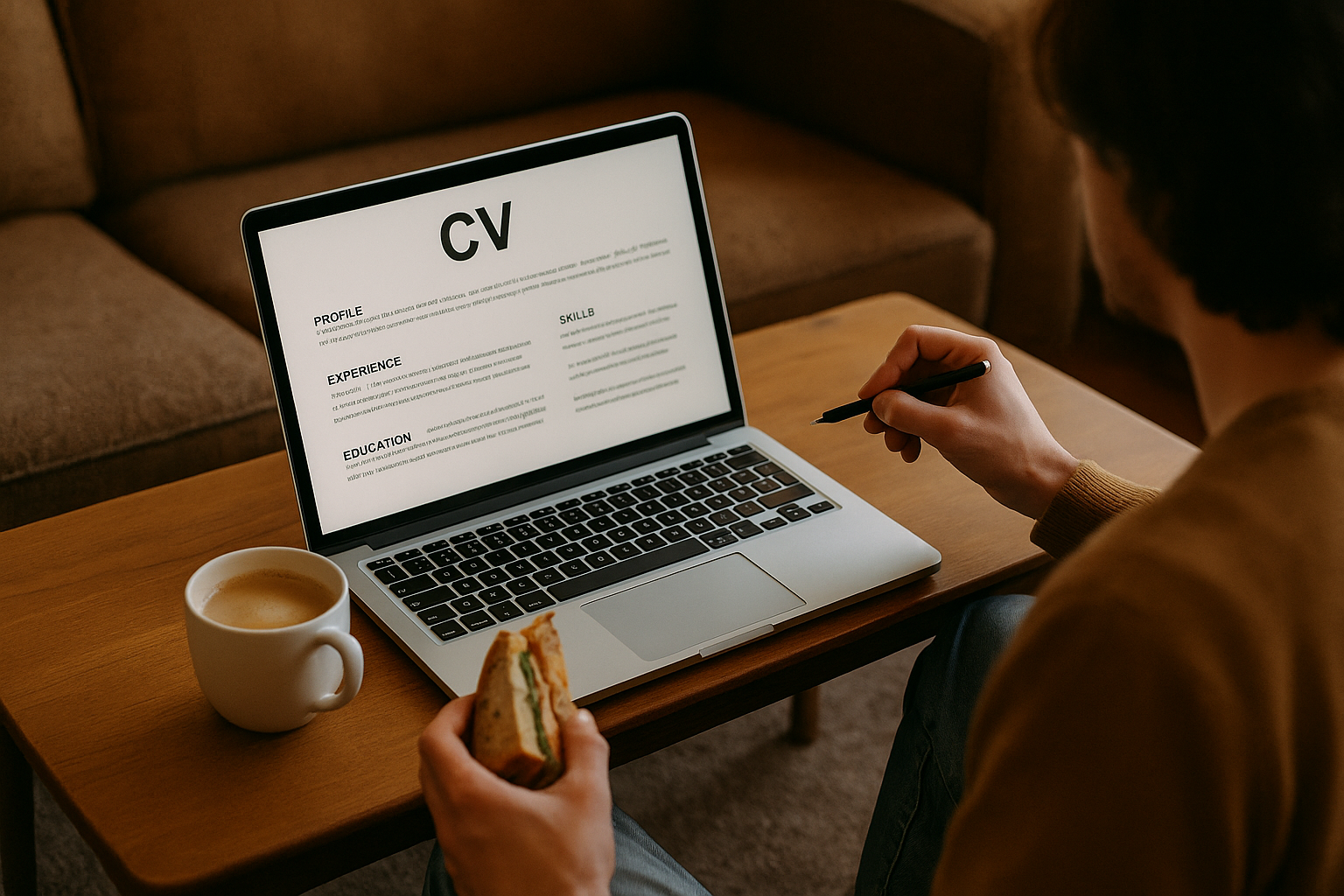
Why AI matters for CVs in 2025
AI is moving from novelty to baseline in recruitment workflows. Recent report from Gartner states AI-based recruitment tools are expected to increase by 50% in 2025, and industry insights from LinkedIn indicate more job seekers are trying AI during their application process. For people in tech and creative fields, that means two practical realities: recruiters and applicant-tracking systems (ATS) increasingly see AI-informed CVs, and candidates who learn to use AI thoughtfully can save time and present clearer, more targeted materials.
What modern resume AI tools commonly do
- Parse your existing CV and extract structured sections (experience, skills, education) to speed up edits and formatting.
- Suggest keywords and role-specific phrasing to improve match rates with job descriptions or ATS filters.
- Offer tone and clarity edits—shortening long bullets, clarifying impact, and suggesting action verbs.
- Generate role-tailored summaries or alternate versions for different job families (e.g., product design vs. visual design).
- Check formatting and export options so your CV renders consistently across PDF and HTML-rich submissions.
- Help integrate portfolio links or project artifacts sensibly for creative applicants.
How to use AI responsibly when optimizing your CV
AI can accelerate the drafting and iteration process, but it works best when combined with your judgment. Treat AI suggestions as starting points: validate facts, keep concrete impact metrics, and preserve a personal voice. For creative roles, don't let AI flatten your portfolio storytelling—use it to clarify context and outcome rather than replacing original writing or artwork.
- Start with your strongest bullets. Use AI to tighten language, not to invent achievements.
- Run multiple versions: one tailored for ATS keyword matching, another focused on narrative for hiring managers.
- Keep a human review step. A peer or mentor can catch context AI misses—especially for cross-discipline roles.